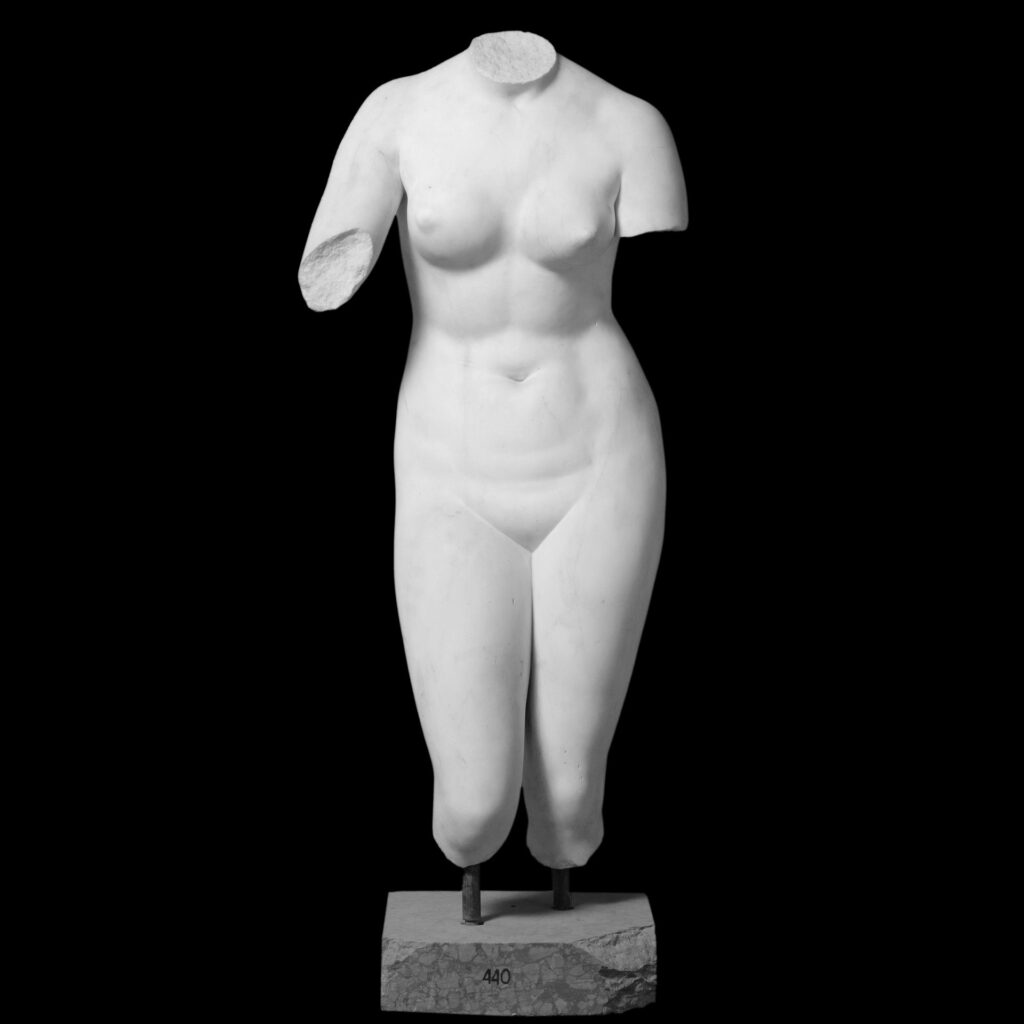
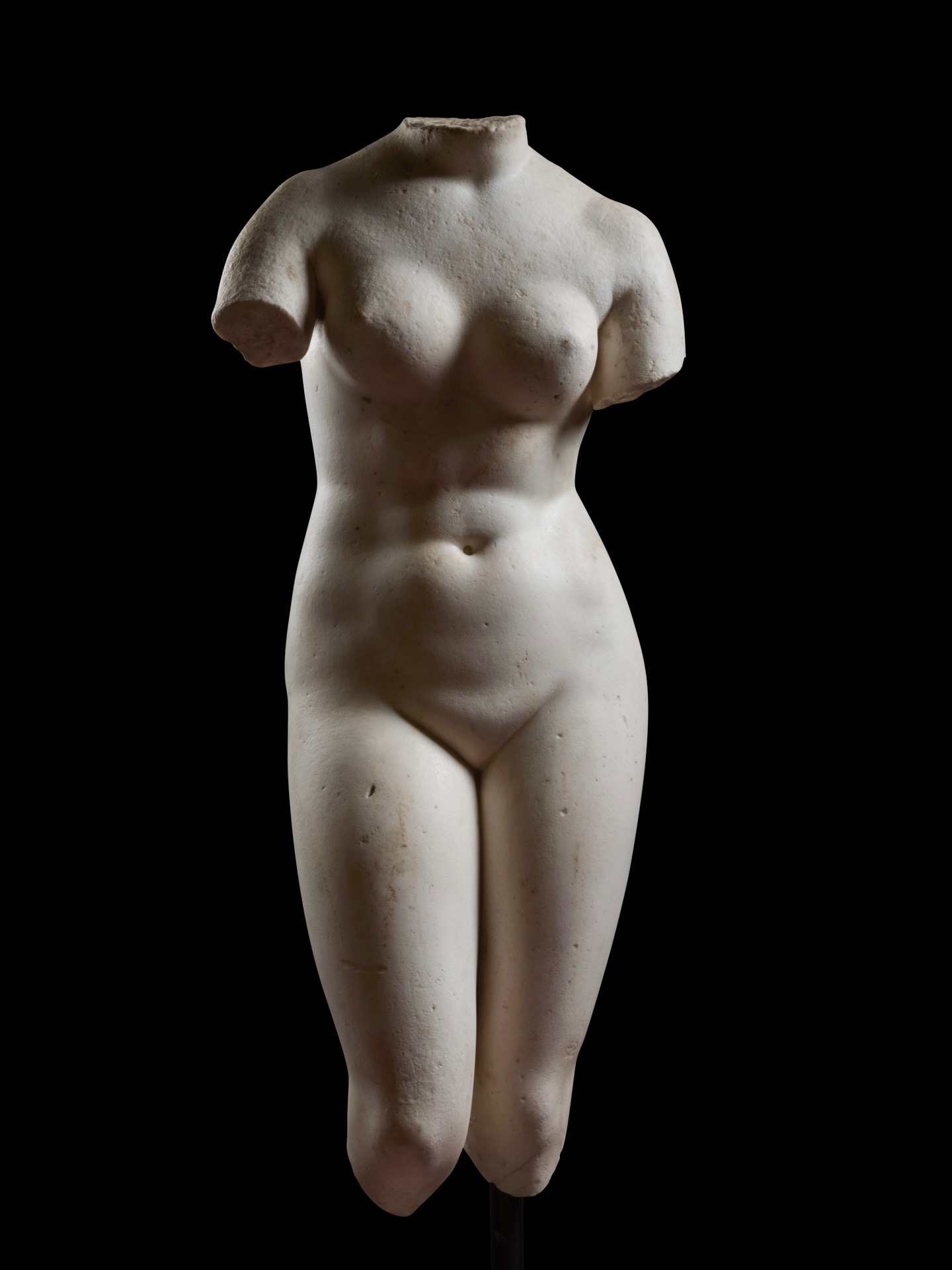
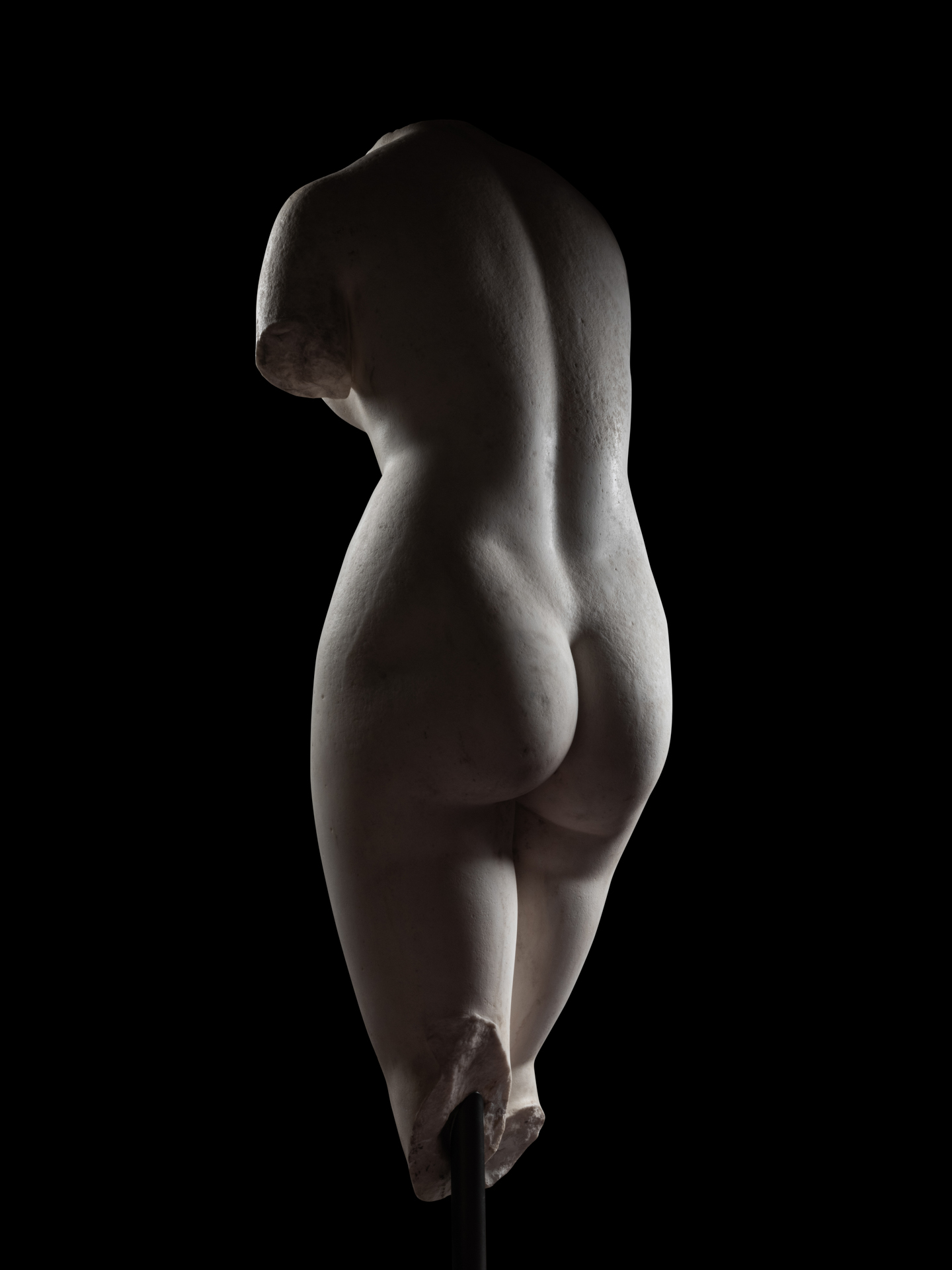
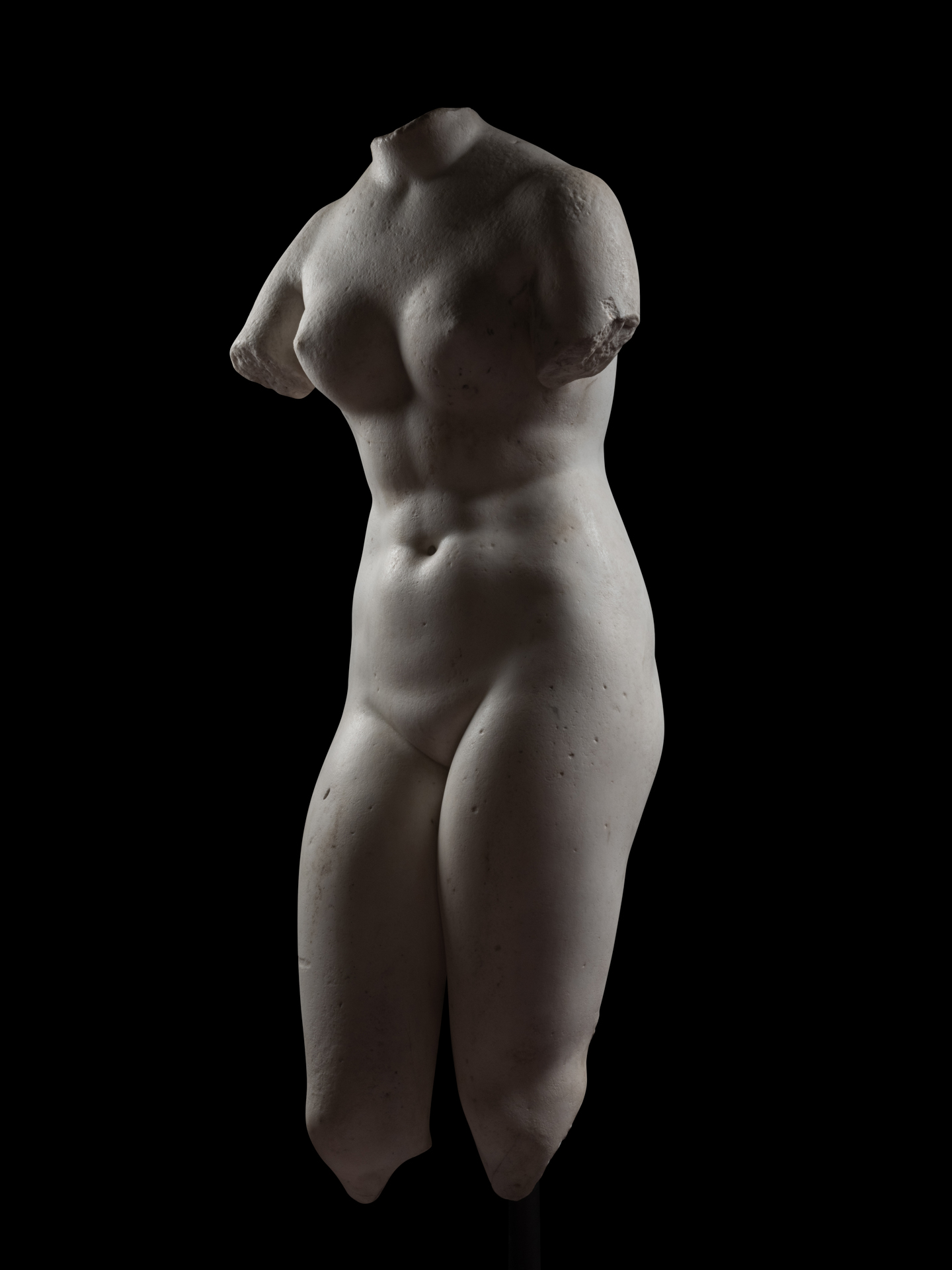
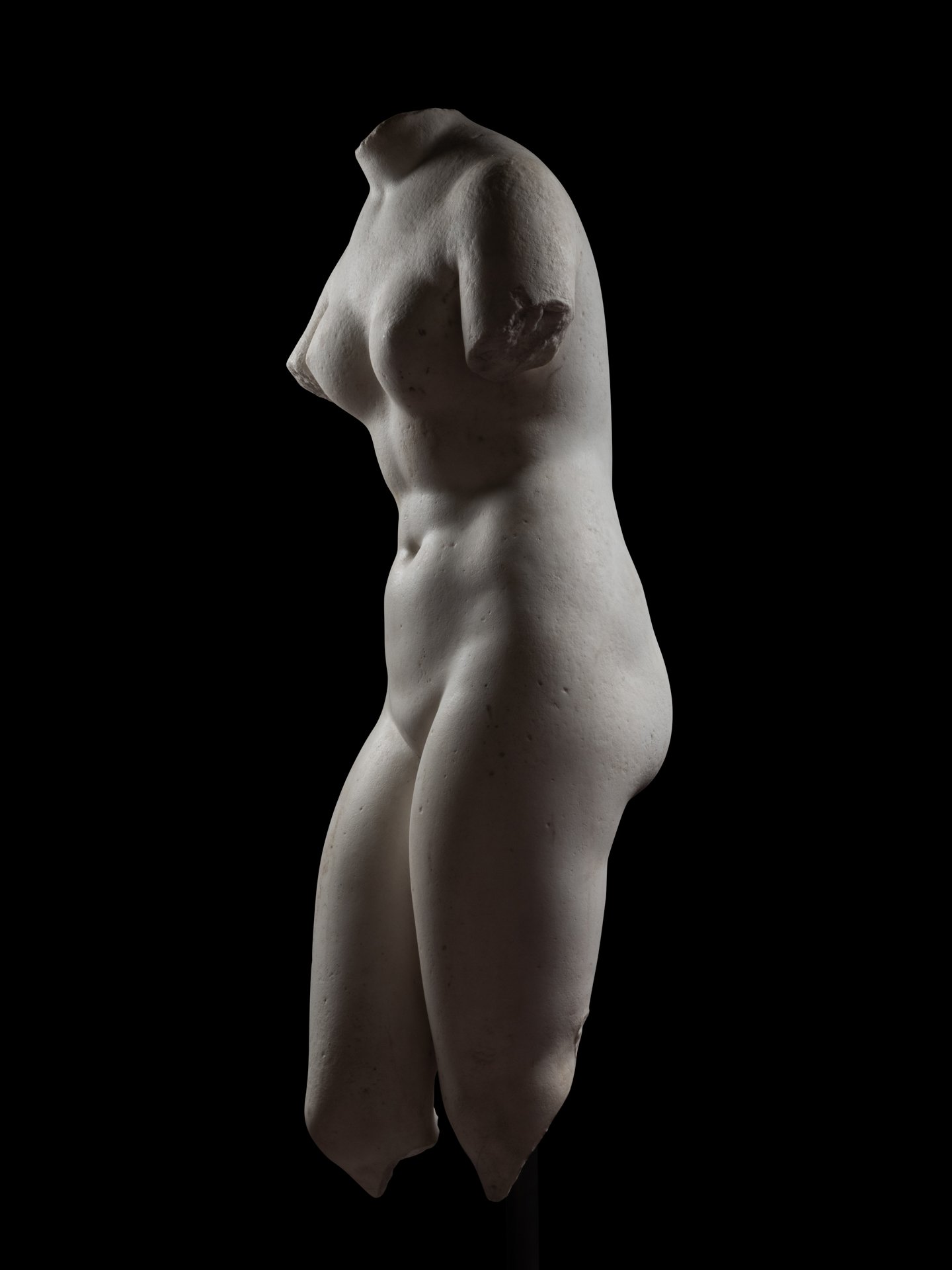
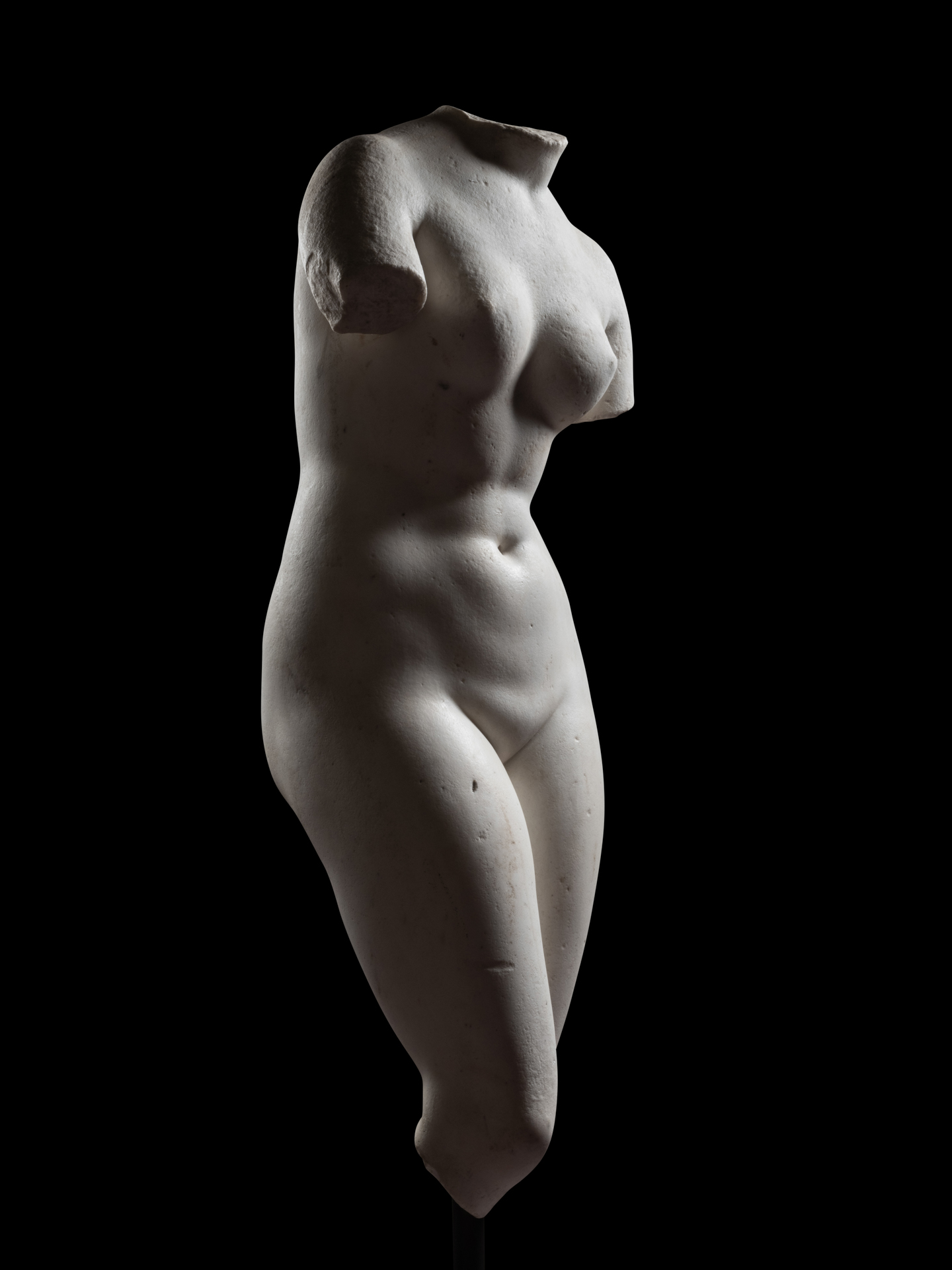
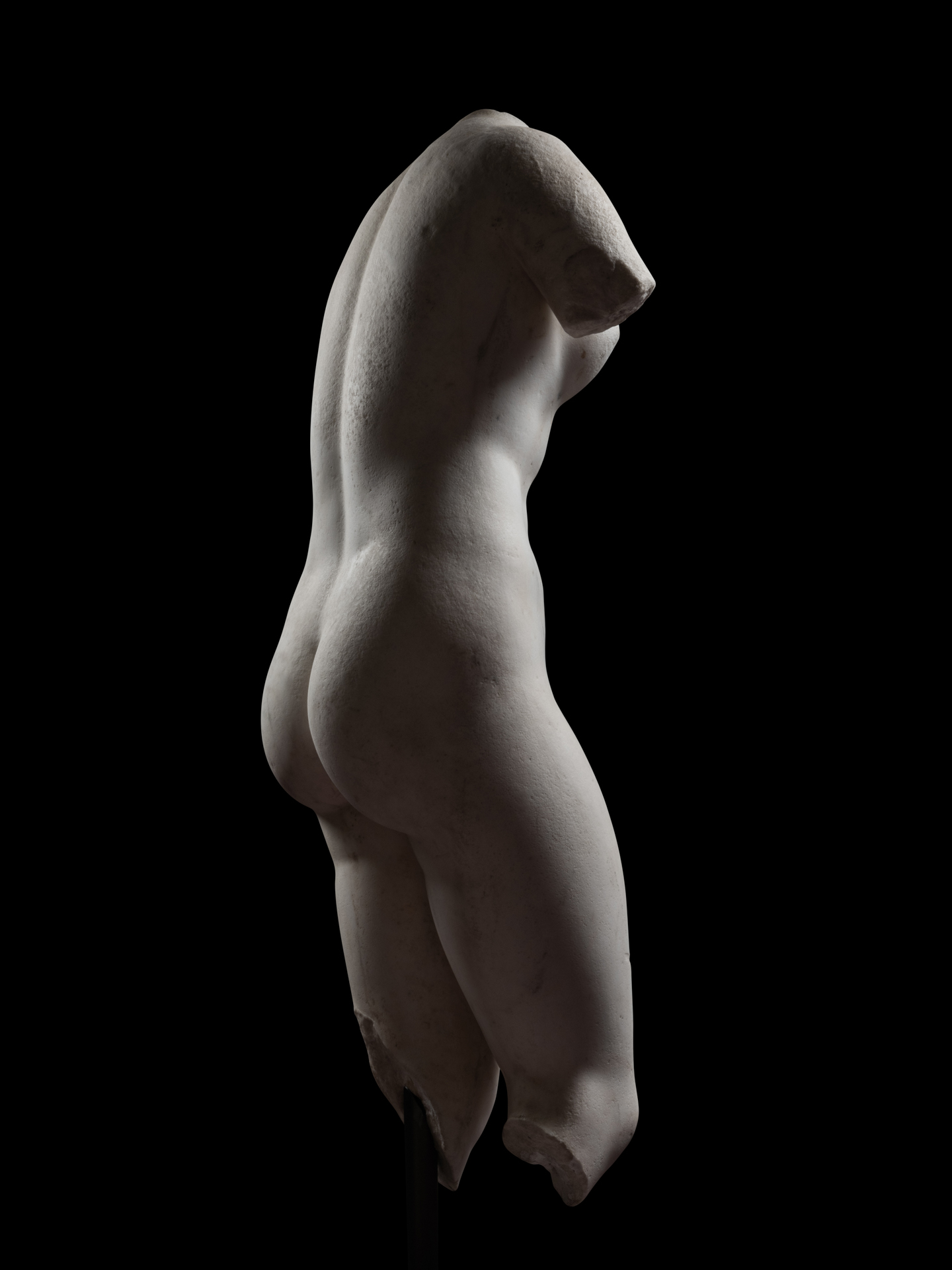
This finely carved marble figure exemplifies the enduring appeal of the Venus Pudica type, derived from the celebrated Venus de’ Medici, one of the most admired sculptures of classical antiquity. The goddess is depicted in a moment of modesty, shielding herself with her right arm while lightly grasping her drapery with the left—a pose that fuses chastity and sensuality in perfect balance.
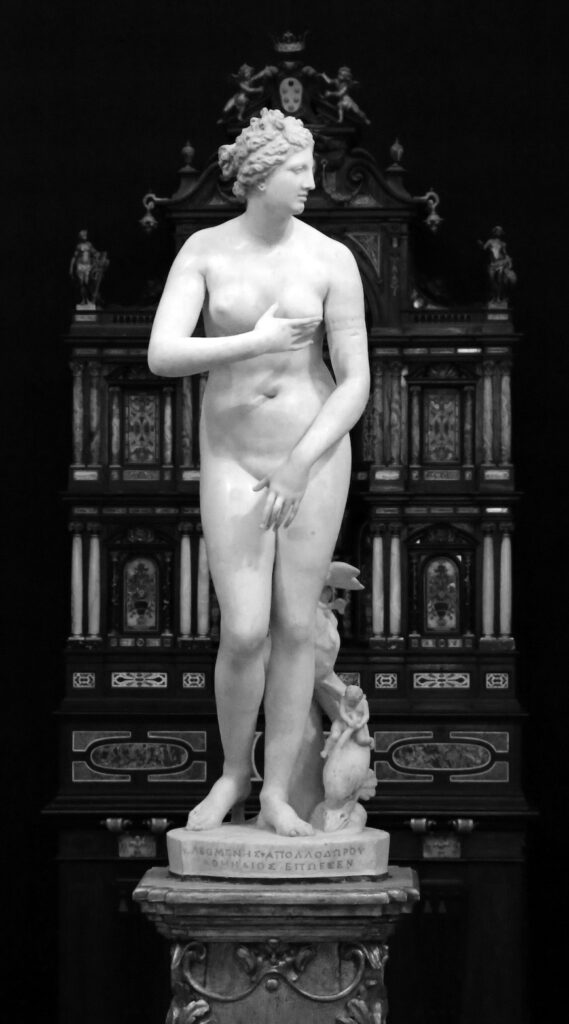
Produced in 18th-century Rome, this work reflects the Neoclassical revival that accompanied the intellectual and cultural phenomenon of the Grand Tour. Wealthy patrons and connoisseurs, captivated by the rediscovery of Greco-Roman ideals, commissioned replicas and adaptations of antique masterpieces as expressions of taste, erudition, and social distinction. As they adorned their estates with these treasures, they not only showcased their cultural and social refinement but also perpetuated a legacy of artistic appreciation for generations to come. Souvenirs were often used as a way of introducing new styles and ideas to European culture, and they played an important role in the development of European art.
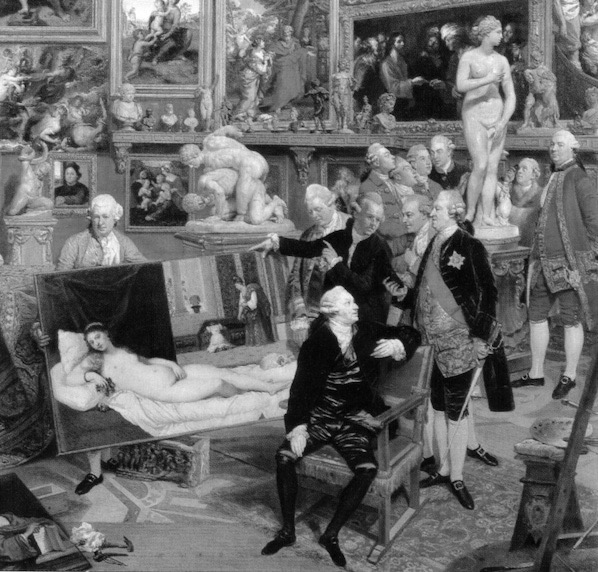
The Medici Venus, a Roman copy of a lost Greek original—possibly by Praxiteles—was long considered the supreme embodiment of feminine beauty. Its influence resonated deeply throughout Europe, shaping artistic canons and aesthetic discourse from the Renaissance through the Enlightenment. This marble Venus Pudica, executed with refined proportions and restrained sensuality, pays homage to that tradition, embodying both the sculptural ideal of antiquity and its 18th-century reimagining within the context of classical revivalism.